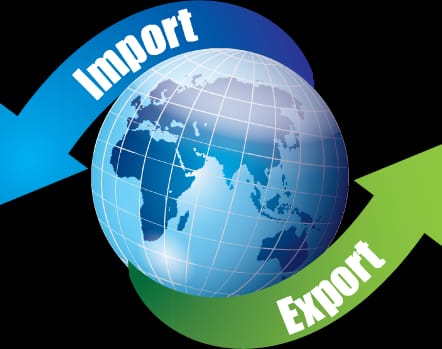
INTRODUCTION
Economic contact between Native Americans and European colonists began in the 16th century and lasted until the late 19th century. India was famous for its textile from Gujarat and were sent to Arab and south east Asia. Variety of ornamental work in cut stones, ivory, pearl and tortoise shells were produced in south India. Indian pearl fishing were very popular in the European countries. The chief articles of import were horses, from Kabul and Arabia, dry fruits and precious stones also imported glassware from Europe, high grade textiles like satin from west Asia, while China supplied raw silk and porcelain. Foreign luxury goods wines, dry fruits, precious stones, corals, scented oils, perfumes and velvets were exported from royal families. In 18th century the British imposed heavy duties on both imports and exports in order to disrupt the foreign trade relations of India with the other countries.
In 1962, the government of India appointed a special EXIM policy. Mr. VP. Singh announced the EXIM policy on the 12th of April 1985. EXIM policy was introduced for the period of 2 year. Two phases of EXIM policy (pre 1990’s and post 1990’s). Various organizations of import and exports are: a) WTO b) IMF c) ADB. WTO is major international trade board for liberalization. WTO came into existence on 1st January 1995. GATT agreement required to be member of WTO. Major part of WTO is FTRB (Foreign Trade Review Body). After 1991 EXIM policy were reviewed for every 5 years. More number of procedures to export agricultural products, handlooms, handicrafts and textiles.
What is import?
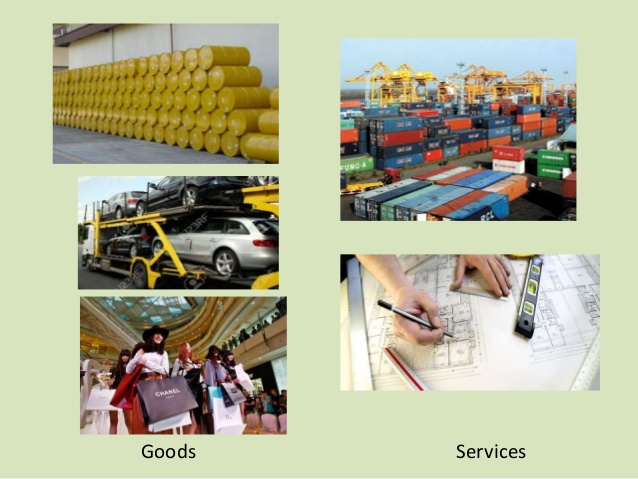
The word is derived from the conceptual meaning as to bring in the goods and services into the port of country. The buyers of such goods and services are called importer.
What is export?
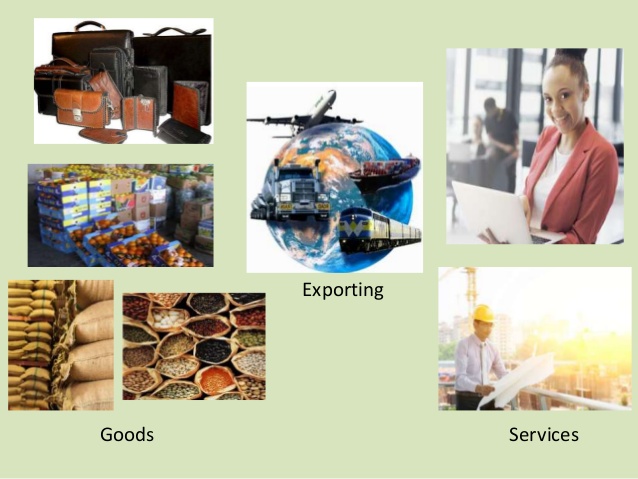
The word is derived from the conceptual meaning as to send the goods and services to another country for sale. The seller of such goods and services are called exporter.
Why it is required?
- Grow national economics and expands the global market.
- Important for businesses and individual consumers.
- Imported products provide a better price
- The more a country exports, the more domestic economic activity is occurring.
Objectives of EXIM policy
- To accelerate the economy from low level of economic activities to high level of economic activities by making it a globally oriented vibrant economy and to derive maximum benefits from expanding global market opportunities.
- To generate new employment.
- Opportunities and encourage the attainment of internationally accepted standards of quality.
- To provide quality consumer products at reasonable prices.
Export procedure
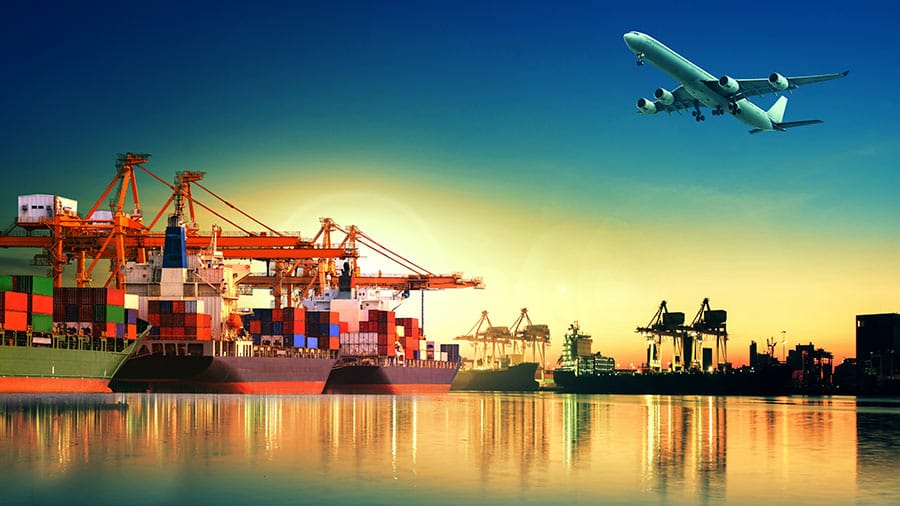
India is amongst the world’s top 20 national with respect to the export of merchandise. With the increased liberalisation of trade by the Indian government, there’s an abundant opportunity for establishing a profitable export business. For undertaking an export business, an entrepreneur should have a clear of the rules and regulations along with the documentation pertaining to this export transactions.
Governing Authorities: Exports are governed by foreign trade (development and regulation) act, 1992 and export- import (EXIM) policy. Directorate General of Foreign Trade (DGFT) is the primary governing body responsible for the export and import policies in the country. Since an export trade has to follow a specific set of procedures from receiving inquiries to completion of the transaction, exporters need to get themselves registered with these authorities for ensuring all the legal formalities as required by them are met and also for receiving incentives which are allowed under the export promotion schemes. The RBI (Reserve bank of India) guidelines have to be met by the exporter. An exporter also requires an import-export code number from the concerned regional licensing authority.
Step to be followed to export your goods
STEP 1: Receipt of an order.
STEP 2: Obtaining license and quota
STEP 3: Letter of credit.
STEP 4: Fixing the exchange rate.
STEP 5: Foreign exchange formalities.
STEP 6: Preparation for executing the order.
STEP 7: Formalities by a forwarding agent.
STEP 8: Bill of lading.
STEP 9: Shipment of advice to the importer.
STEP 10: Presentation of documents to the bank.
STEP 11: Realization of exports proceeds.
Import procedure
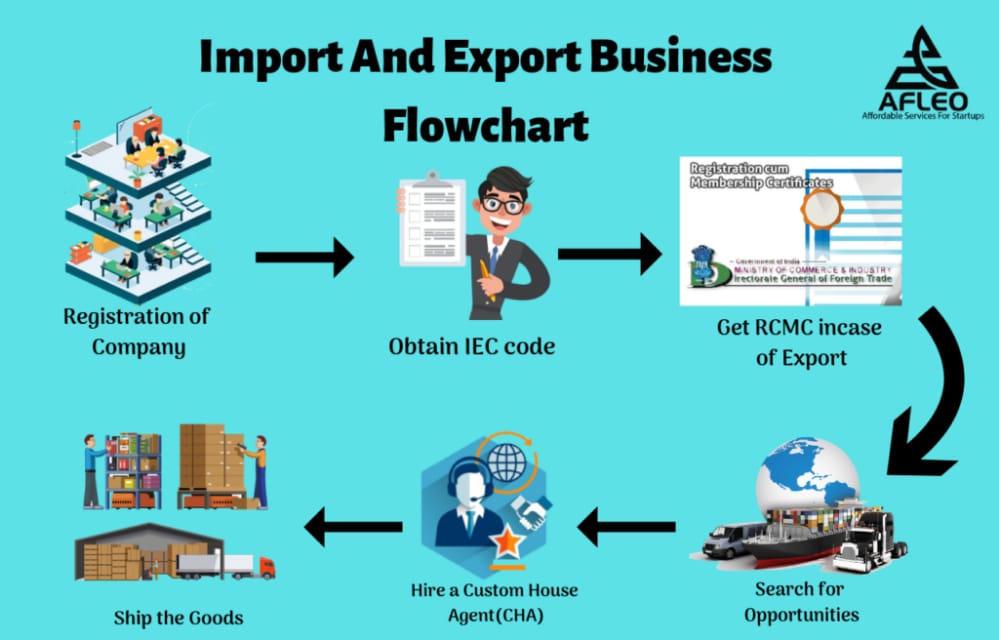
Import procedure varies from country to country depending upon the foreign trade policy of a country. Government of India has framed rules and regulations for the import. The import procedure has been clearly spelt out of government of India.
Following are the procedures of import trade.
Step 1: Obtaining import license
Step 2: Trade enquiry
Step3: Obtaining foreign exchange.
Step 4: Placing an indent order
Step 5: Opening letter of credit
Step 6: Receiving shipping document.
Step 7: Appointment of clearing agents.
Step 8: Fulfilment of customs formalities.
Step9: Talking delivery of goods.
Step 10: Settlement of import bill.
EXPORT IMPORT (EXIM) policy:
Policy of India is guided by export import is known as EXIM policy in short. EXIM policy is asset of guidelines and instructions established by the DGFT (Directorate General of Foreign Trade) in matters related to the import and export of goods in India. It is regulated by the foreign trade development and regulation act, 1992. Trade policy is prepared and announced by the central government (ministry of commerce). Foreign trade act has replaced the earlier law known as the import and export act 1947. Government control import of non-essential items through the EXIM policy. Policy is announced for a 5-year period, announcing a policy on march 31st of every year. Indian EXIM policy contains various policy related decisions taken by the government in the sphere of foreign trade.
Types of duties that are levied in India on EXIM
- Basic duty.
- IGST and Compensation cess (it is a replacement of countervailing Duty (CD) special additional duty of customs (SAD)).
- Anti-dumping duty.
- Safeguard duty.
- Social welfare surcharge.
CONCLUSION
By doing export we can improve our sales and profits, mainly we can create more employment opportunities. EXIM policies provides policy and strategy of the government to be followed for promoting exports and regulating imports. Export and import play a significant role in the economic development of all the developed and developing economies. With the growth of international organization like WTO, UNCTAD, ASEAN, etc., world trade is growing at a very fast rate. We support more export rather than imports.
GROUP MEMBERS:
AKHIL R
ASHOKA K S
SUMITHRA N
VINUTHA T N
 akhil
akhil 